Virtual and Augmented Reality
Living in a Digital World
We are truly living in the digital era and in this decade technology has changed dramatically fast, giving us access to limitless information. We are in front of our screens now more than ever, doing almost everything from our computers, tablets and smartphones. We connect through social media, we listen to music, watch movies, play games, read the news and even pay our taxes.
And what more could our tech savvy selves want? Well, more!
And we may actually get it with the help of virtual and augmented reality.
What is Virtual Reality?
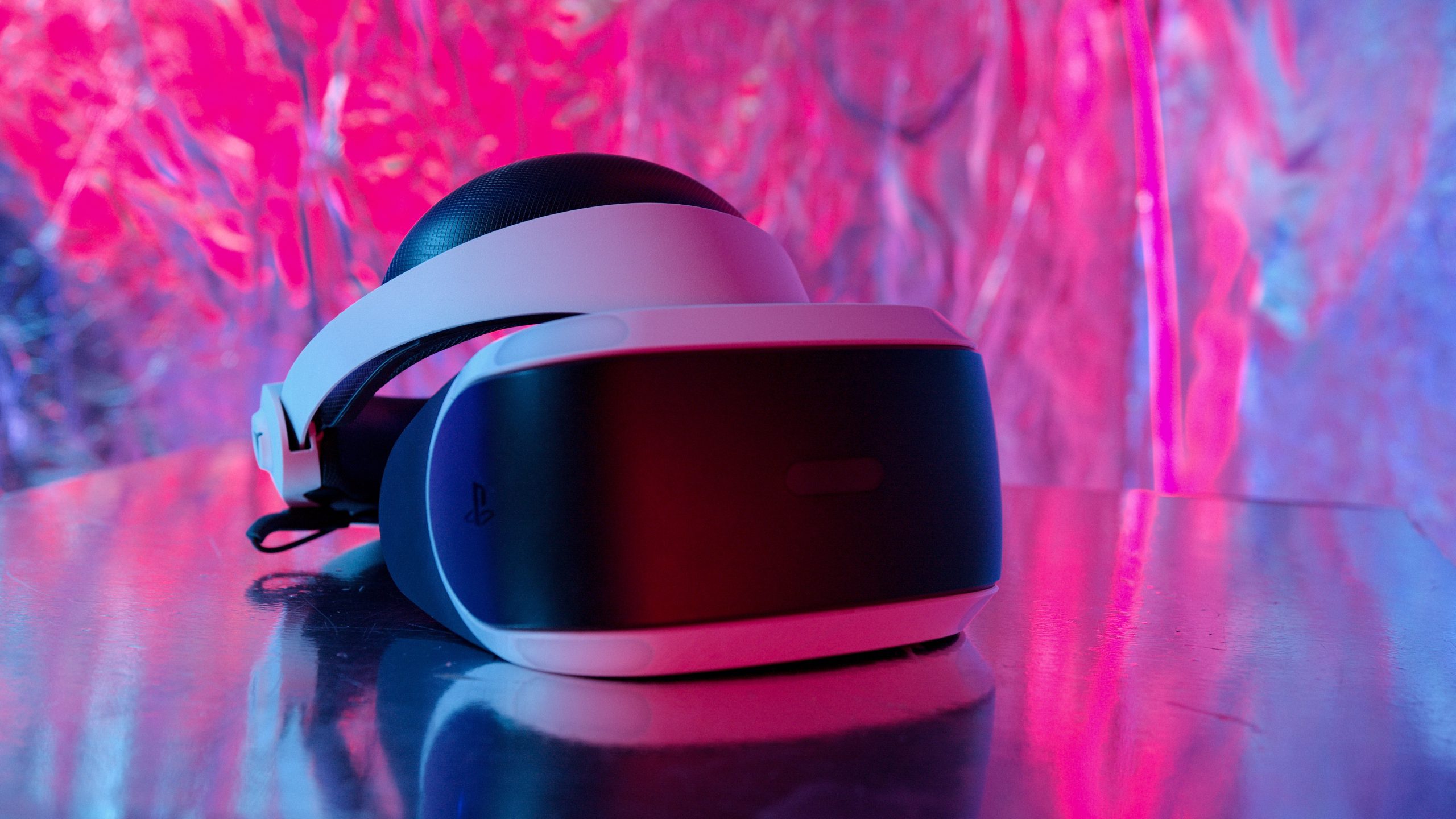
So basically Virtual Reality is a computational environment where all the surroundings appear to be real and the user feels like they are inside this digital world. The user can perceive this environment by wearing a VR headset or helmet and by physically moving their head. Therefore the display will follow whichever direction you move, giving you a 360-degree view of the virtual environment. VR is mostly used on video games where the user can immerse into the game as if he is one of the characters. Although in recent years we see virtual reality in many other fields such as medicine, culture and the army. For example, many museums and art galleries provide virtual visits, also this type of technology is used in the army for training in simulated combat environments. And these are only some of the examples of the widespread use of VR, which is constantly breaking boundaries allowing us to become a part of this artificially constructed world.
There are many types of VR devices if someone is willing to purchase one. We have headsets with built in screens like Oculus and Playstation VR and those that use the screen on your smartphone as a display, like Google cardboard. It is worth mentioning that the first type of headsets are better quality and more expensive than the second type that uses the smartphone screen.
What the future holds for Virtual Reality? It is a technology that keeps growing, therefore tech companies invest a lot of money and researchers try to improve the overall experience, by expanding its use in different areas, making it more affordable. Experts are trying to minimize the effects of motion sickness on people, after the use of VR, that happens because there is a mismatch between body movement and virtual movement. Furthermore big technological companies are currently working on headsets without cables that will provide a state of the art experience. So virtual reality is not a science fiction anymore but an exciting part of our reality!
What is Augmented Reality?
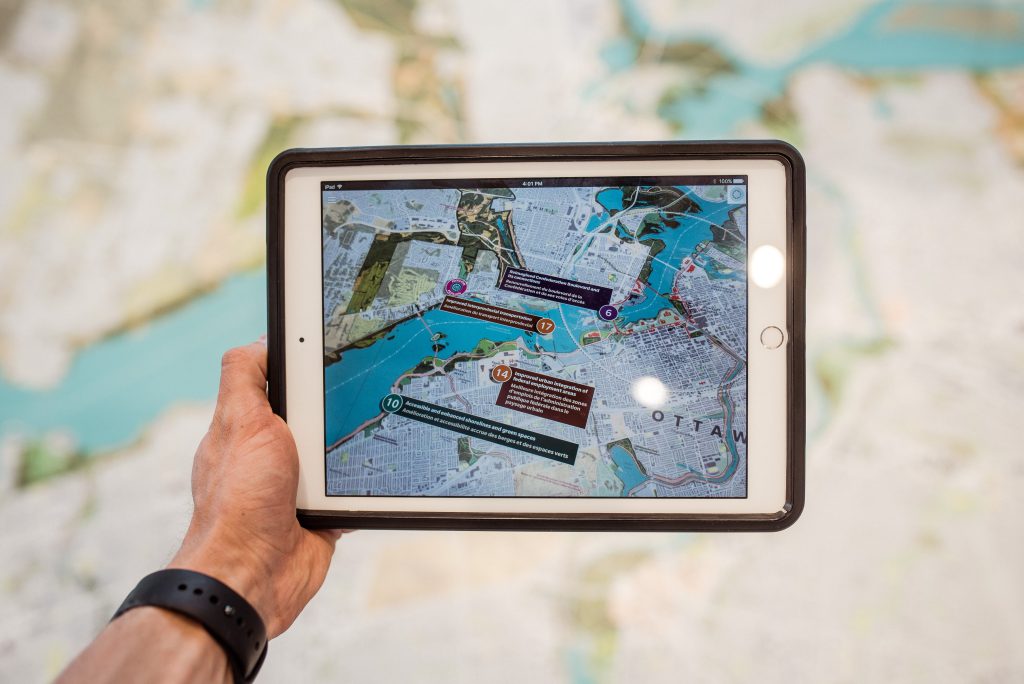
Now that we’ve analyzed what virtual reality is and what we can do with it, is time to take a look at Augmented reality. Let’s explore the possibilities we have with this technology and what are the main differences between VR and AR. So while in VR you transfer yourself in a virtual-artificial world, in AR you immerse digital images into the real environment. Augmented reality allows you to see the real world with virtual objects layered on top of it, which makes for a fun and exciting experience for the user. It has been widely used for video games and through various apps, in fields like education, culture, astronomy, architecture. In order to use it you do not necessarily need a headset, most of them are meant to appear in your tablet or smartphone. Some famous examples of AR are the game PokemonGo and integrated apps that are often used in museums in order to give more information to the visitors about exhibitions and make the experience more exciting. Another use of that emerging technology is in astronomy, by focusing your phone to the sky you will be able to identify stars, constellations, planets and receive information about these objects. Recently we see more AR apps from interior design companies and retailers that want to give the customers the chance to try virtually the furniture before purchasing, creating a playful shopping experience.
The future looks bright for AR technologies and big tech companies know that, this is why they continue to create apps with augmentation features. In contrast to VR, Augmented Reality is more user friendly because it allows the person to interact freely with their surroundings, integrating this technology just in their smartphones, which makes it easier and cheaper.
Virtual Reality VS Augmented Reality
To some there is a debate between these technologies, talking about the pros and cons of each, which one they prefer and which of them will prevail in the end. Even though this is an interesting conversation to have, i do not personally think there is any debate here, just preferences. With the rapid changes in technology, these types of realities will keep evolving, transforming our daily lives completely.
So the question is, are you ready to digitize your reality?


Leave a comment