AI & Health Innovation
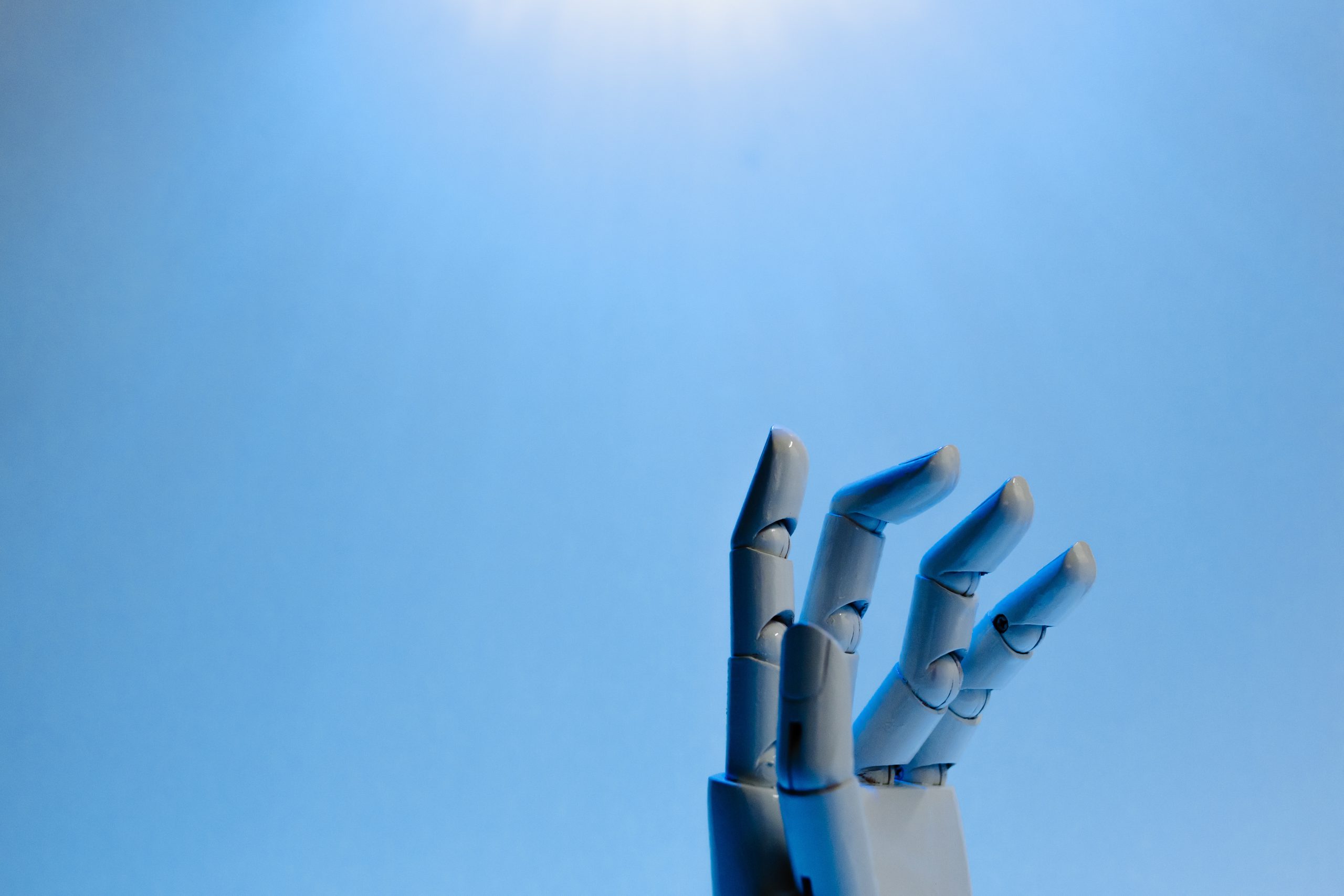
Transforming the Healthcare system with AI
With the immense entrance of AI in many aspects of our everyday lives, whether it be unlocking our phone every morning using face-recognition, or finding emails in your spam folder, these AI technologies continue to evolve and the opportunities of its use become greater.
It is expected that we start seeing this form of technology being integrated into the health and wellness industry, too. The question we currently face is whether AI lead to health innovation or create more problems than solutions?
To answer this question, we should consideration all the new possibilities this technology can provide in healthcare in general. These tools can help with decision making, personalizing medicine, patient’s data and improve research results. With these applications rapidly expanding in health systems worldwide, it is no surprise that these machine intelligence tools are becoming essential for medical professionals. From this, the more healthcare systems invest and use machine learning tools, the sooner we will experience true innovation in the health industry!
AI for better Health
- Drug discovery
With augmented AI the potential in this field is tremendous and the anticipated impact on many patients’ health will be tremendous. This type of technology has the ability to evaluate vast amounts of data for new drug analysis and drug pathways in a short timeframe. This would be incredibly useful and lead to lifesaving interventions, because traditionally drug discovery is an expensive, lengthy and difficult process. Researchers, with the help of AI, will be able to access various patients’ data and find which drug components are more effective for certain diseases and how these individuals might respond.
- Robotic innovation
Probably where the latest tech really shines. The most profound example is robotic assisted surgery, where robotic surgical operators enable doctors to perform many types of complex procedures with more precision, flexibility, and control than with conventional techniques. AI algorithms can improve robotic surgery by scanning images of MRIs, creating 3D models, and thereafter this information can help doctors conduct the surgery minimizing the risk of complications.
- Health Apps
Another important tech innovation are health related apps. They can be health monitoring apps, mental health chatbots or virtual assistant nurses. They interact with patients remotely providing vital information about their health conditions, answering questions, assessing symptoms and even scheduling appointments with actual doctors. That can completely change how doctors can monitor their patients’ health and lead them to new solutions.
- Data analytics
As AI continues to become an increasingly integral part of health care, it is essential that we understand the value of data when it comes to leveraging these technologies for improved patient care. Data analytics is currently used by hospitals and health institutions in order to analyze vast amounts of data, from lab results, health records and identify patterns. Moreover, we anticipate further usage to enable physicians with real time information that will help them create better personalized treatments. Another way AI is being used is for data protection. Hospitals remain vulnerable to cyberattacks and the concern remains to protect patients’ medical data and personal information by maintaining data privacy. The AI systems that hospitals put in place can use algorithms with secure encryption so they can prevent unauthorized access or misuse of sensitive health data. A big area of concern and interest is data quality, we know that the bigger the data the higher the quality of predictive models and more useful the predictions from those models when being deployed.
- Personalized medicine
It is obvious that AI can revolutionize personalized medicine and change how we receive treatment in general. AI has made the possibility of personalized medicine a reality. AI systems can provide real-time insights into personalized treatments, progress tracking, and diagnoses with more accuracy than ever before.
They can also use evidence-based analytics to make faster and more informed decisions, leading to the development of personalized treatment plans as soon as a patient presents with a condition or symptom, including predictive modeling for suggested courses of action. That can lead to generally better and more innovative outcomes, by reducing errors, automating many tasks and eventually driving down the cost of the healthcare system.
What the future might hold for the Health industry
AI has the potential to revolutionize and completely change the future of the healthcare system. It can lead to better outcomes for patients and for the management of the healthcare system itself. There are still many challenges ahead, but new innovations are constantly being integrated and will likely continue changing how patients interact with doctors and nurses by providing better care at lower costs. An effective AI strategy will help health care organizations be innovative and thrive, now and into the future.


Leave a comment